
Pakistan GDP growth to exceed 4% this year: Aurangzeb
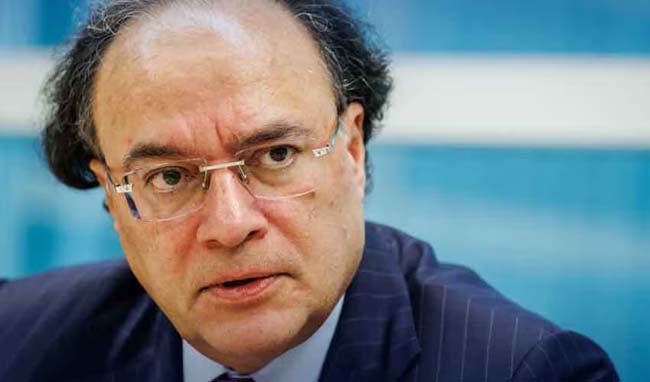
Pakistan expects its economy to grow by more than 4% during the current fiscal year despite higher oil prices and economic risks linked to the prolonged Middle East conflict, Finance Minister Muhammad Aurangzeb has said.
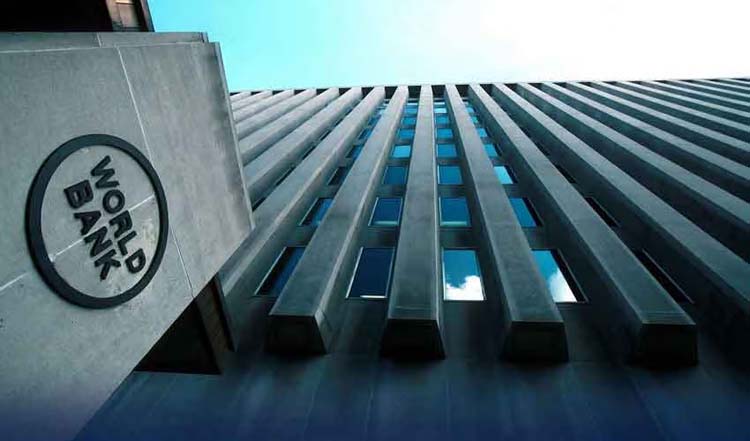
Speaking to Bloomberg TV and Reuters on the sidelines of the annual meetings of the International Monetary Fund (IMF) and World Bank in Bangkok, Aurangzeb outlined the government’s strategy to stabilise the economy, manage external debt repayments, attract investment and accelerate privatisation.
He said Pakistan had secured adequate fuel supplies without shortages, while critical sectors such as agriculture were holding up despite external pressures.
Pakistan targets growth above 4%
Aurangzeb said he remained confident that Pakistan’s economy could record growth of more than 4% in the current fiscal year, even as elevated oil prices create challenges for the country’s economic outlook.
Pakistan remains vulnerable to a prolonged Middle East conflict because it depends heavily on Gulf energy imports, remittances and financing support from the region. The country also continues to rely on external financing to strengthen foreign exchange reserves and meet debt repayment obligations.
The finance minister said the government was closely monitoring inflation because movements in prices can have knock-on effects on commodity costs and broader economic stability.
He stressed that maintaining inflation, foreign exchange reserves and the policy rate at appropriate levels was essential to safeguarding economic stability.
Pakistan expands access to int’l capital markets
In his interview with Bloomberg TV, Aurangzeb said Pakistan’s debt strategy was designed to broaden access to global capital markets while easing pressure from external debt repayments.
Pakistan returned to international capital markets after a four-year hiatus, issuing $3 billion in Eurobonds approximately three weeks before the interview. Demand for the issuance was twice the amount offered, reflecting interest from investors across Asia, the Middle East, Europe and the United States.