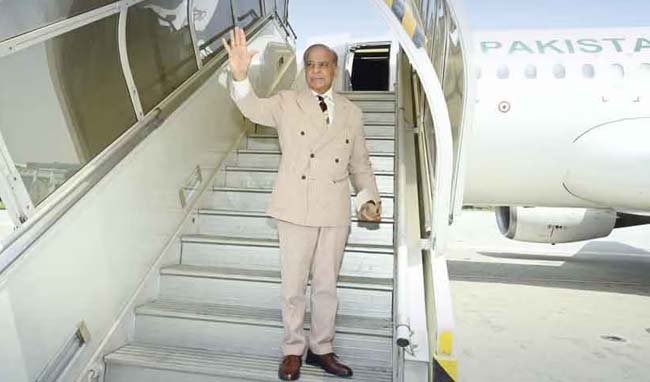

JD Vance urges Delhi to act responsibly amid Pak-India standoff
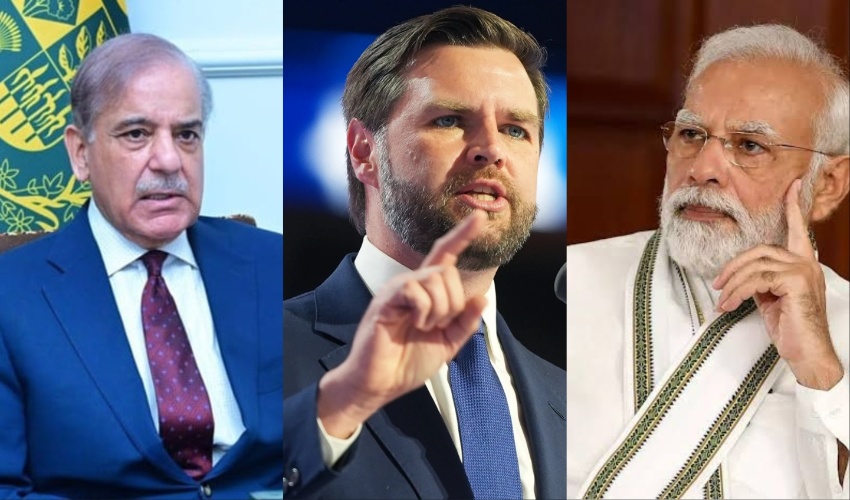
United States Vice President JD Vance has said that Washington hopes India’s response to the April 22 Pahalgam attack in Indian-occupied Kashmir will not escalate into a broader regional conflict, as tensions between India and Pakistan continue to mount.
Speaking in an interview with Fox News, Vance acknowledged the gravity of the attack, in which 26 people — mostly tourists — were killed in one of the deadliest incidents in the region since 2000.
The US Vice President, who was in India with his family during the time of the attack, reiterated America’s condemnation of the assault and expressed solidarity with the victims and their families.
“Our hope here is that India responds to this terrorist attack in a way that doesn’t lead to a broader regional conflict,” Vance said. “And we hope, frankly, that Pakistan, to the extent that they’re responsible, cooperates with India to make sure that the terrorists sometimes operating in their territory are hunted down and dealt with.”
The Pahalgam attack has triggered a new wave of diplomatic and military friction between the two nuclear-armed neighbours. While New Delhi has alleged a cross-border link to the assault, Islamabad has firmly rejected the claims, calling for an independent and impartial investigation.
Pakistan’s civilian and military leadership have denounced the accusations and cautioned against “irresponsible rhetoric” that could inflame tensions further.
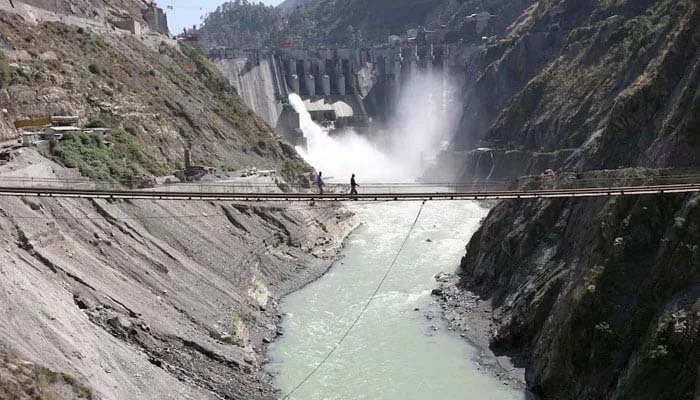
India, meanwhile, has taken a series of retaliatory measures. The government suspended the Indus Waters Treaty — a longstanding water-sharing agreement — and closed its airspace to Pakistani airlines. Pakistan responded in kind, leading to a mutual closure of airspace. There have also been reported exchanges of fire across the Line of Control (LoC), further raising fears of conflict.
Indian Prime Minister Narendra Modi has vowed to bring the perpetrators to justice, while External Affairs Minister Subrahmanyam Jaishankar conveyed to US Secretary of State Marco Rubio that “those responsible must face consequences.”
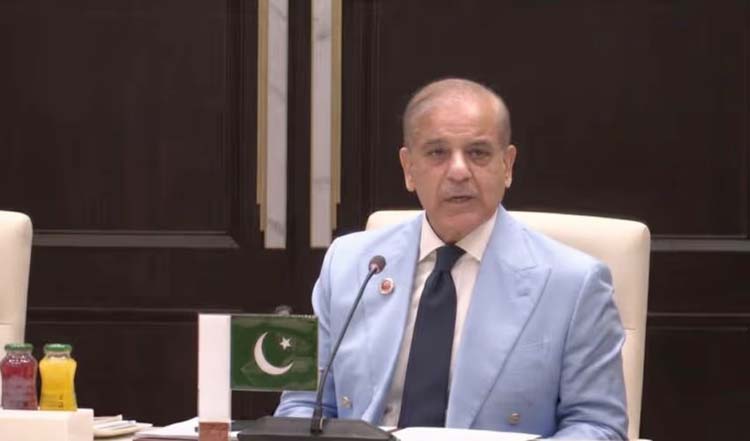
Rubio, in calls with both Jaishankar and Pakistani Prime Minister Shehbaz Sharif on Wednesday, urged restraint and emphasized the need for regional stability. A US State Department spokesperson confirmed that the administration is in contact with both countries at multiple levels.