
IMF demands removal of subsidies for up to 200 electricity units
Pakistan and the International Monetary Fund (IMF) have reached a critical stage in policy-level negotiations for the next loan tranche of more than $1 billion, with the lender raising concerns over power-sector circular debt and the proposed privatisation mechanism for electricity distribution companies.
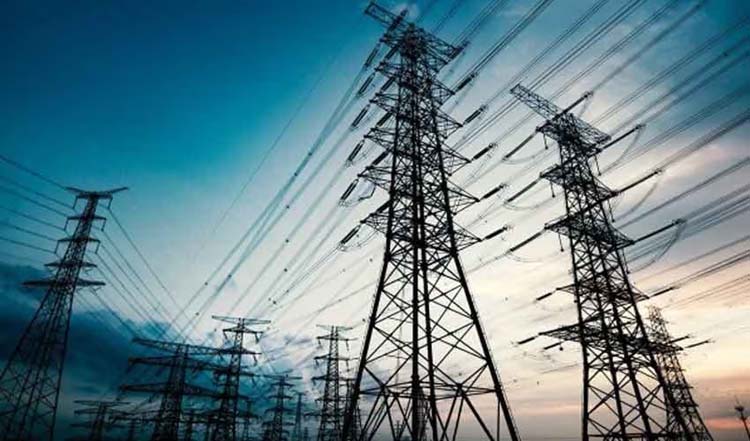
The IMF has flagged Rs1,675 billion in power-sector circular debt and demanded the elimination of cross-subsidies for consumers using up to 200 units of electricity per month.
The IMF has asked Pakistan to remove the existing cross-subsidy for consumers using up to 200 units of electricity.
In response, the government has proposed shifting towards targeted assistance through the Benazir Income Support Programme (BISP), with subsidies for eligible consumers using up to 200 units expected to begin from January 2027.
The government has also allocated Rs830 billion in power-sector subsidies for the 2026-27 fiscal year, while the IMF mission has been informed that the annual financial burden of the DISCOs stands at around Rs850 billion.
IMF questions DISCO privatisation mechanism
The IMF has also expressed reservations about the proposed mechanism for privatising electricity distribution companies, as Pakistan’s economic team shared its privatisation plan and timeline during the fourth economic review talks.
The government has set a target to complete the privatisation of nine DISCOs by December 2027, while Quetta Electric Supply Company (QESCO) has been excluded from the plan.
The government’s broader DISCO reform programme is also consistent with its ongoing efforts to bring private-sector participation into distribution companies. Official plans have identified FESCO, GEPCO and IESCO as the first batch for privatisation.